Every pipetting workflow involves choices about consumables, packaging, and waste. For laboratories working towards sustainability goals, pipette tip racks offer a practical place to start. Reviewing how racks are purchased, refilled, and discarded can reveal opportunities to reduce packaging waste while maintaining the requirements of each application.
Greener pipetting begins with manageable changes that laboratory teams can incorporate into their daily routines.
Choose Packaging That Fits Your Workflow
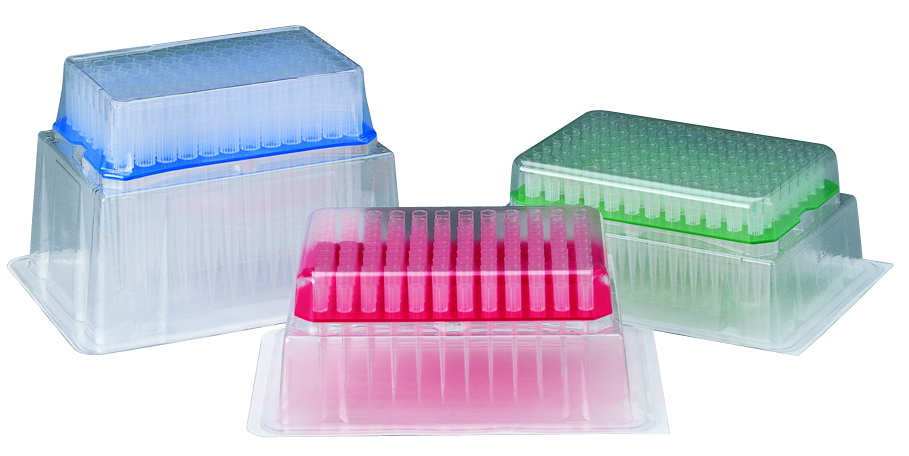
Rainin offers lighter packaging, refill systems, and alternative rack materials. Green-Pak and SpaceSaver allow laboratories to refill compatible reusable racks, reducing the need for a new rack with each purchase.
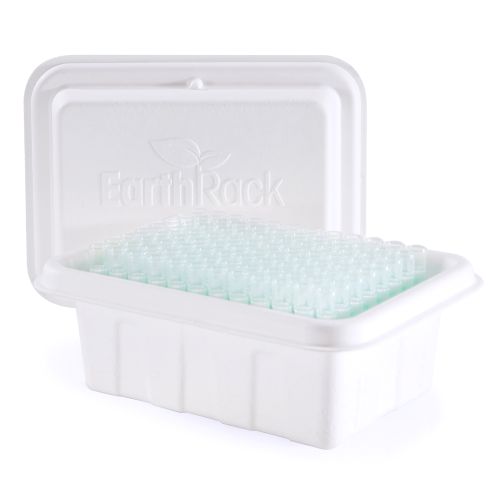
TerraRack provides another option, using up to 50% less plastic than Rainin’s standard rack. EarthRack further expands the choice by replacing the conventional plastic lid and base with plant-based cellulose made from bamboo and sugar cane. Its cellulose components are compostable, while the tip deck remains polypropylene. Laboratories should confirm application suitability and local disposal arrangements before choosing this option.
Plastic-saving comparisons concern packaging components and exclude the pipette tips themselves. This distinction matters when setting targets or communicating environmental benefits: reduced rack plastic does not represent an equivalent reduction in total laboratory waste.
The most suitable option depends on your pipettes, tip specifications, cleanliness requirements and available recycling or composting services. Speak to one of our specialists or view our Rainin Pipette Tips
Build a Practical Refilling Routine
Before introducing refills, identify which existing racks are compatible and suitable for continued use. Establish a designated storage area and a refilling procedure that follows manufacturer guidance and your laboratory’s procedures.
Make responsibilities clear so that everyone knows where to find refills and how to handle them correctly. Start with one workstation or team, gather feedback and resolve practical difficulties before extending the approach.
Reusing compatible racks should never be confused with reusing disposable pipette tips. Tip changes must continue to follow the application’s contamination control requirements.
Check What Can Actually Be Recycled
Choosing recyclable packaging is only part of the process. Materials must also be correctly separated and accepted by an appropriate recycling service.
Rack bases, lids, tip decks and wrapping may require different disposal routes. Avoid assuming that every component belongs in the same collection bin.
Rainin recommends checking arrangements with your environmental health and safety team and local waste facilities. For South African laboratories, confirm what your waste contractor accepts, including any restrictions affecting laboratory packaging. Keep eligible clean packaging separate according to your laboratory’s approved procedures.
Measure Progress at the Bench
Begin with a simple baseline. Record the number of tips used and weigh the associated packaging over a representative period.
After introducing a suitable alternative, repeat the measurement. Comparing packaging weight per 1,000 tips helps account for changes in workload and gives your team a consistent measure of progress.
Also record practical observations, such as storage space, ease of refilling and staff feedback. These findings help determine whether the change works reliably in everyday use.
Take the Next Step with Natsep
For laboratories exploring greener pipetting with Rainin, Natsep can be a starting point for discussing product suitability and local availability.
Ask which refill systems fit your current racks, which packaging alternatives suit your application and what information supports each environmental claim.
With suitable products, clear routines and measurable targets, laboratories can make packaging reduction a practical part of responsible laboratory management.